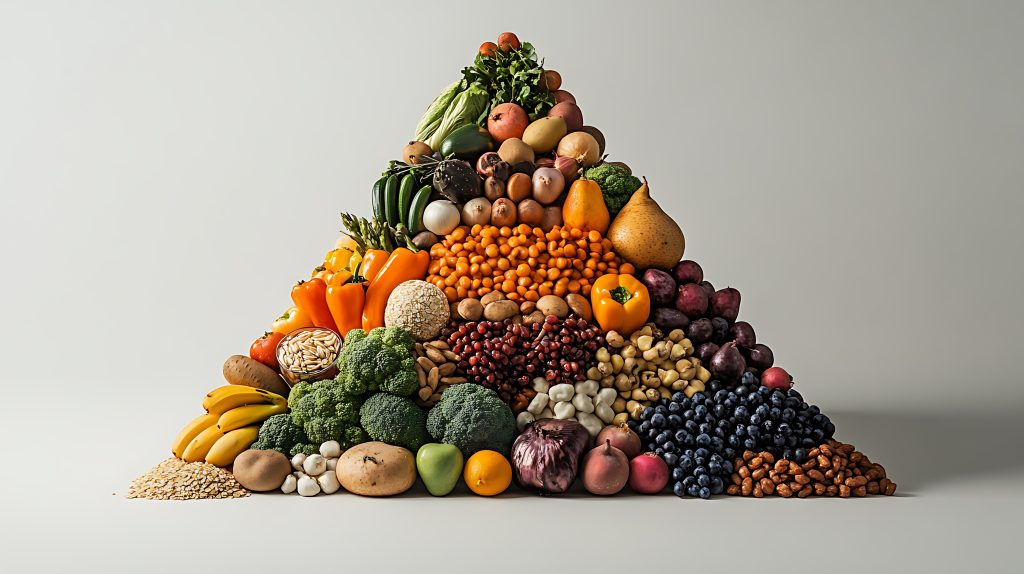
Over the past year, U.S. search interest for terms like “Eat Real Food,” “Real Food Pyramid,” and “clean eating” has increased significantly, reflecting a shift away from ultra-processed products and toward whole-food, nutrient-dense eating patterns.
The Real Food Pyramid is a modern nutrition model that prioritizes minimally processed foods, natural ingredients, and high nutrient density all core concepts behind the current clean eating movement in the United States.
Why Is the Real Food Movement Growing in the U.S.?
There are several cultural drivers behind this trend:
– Increased awareness of ultra-processed foods
– Demand for short, recognizable ingredient lists
– Interest in whole foods, organic produce, and clean labels
– Social media content around meal prep, grocery hauls, and “what I eat in a day”
– Growing emphasis on nutrition density vs calorie counting
In simple terms:
Real food = food close to its natural form.
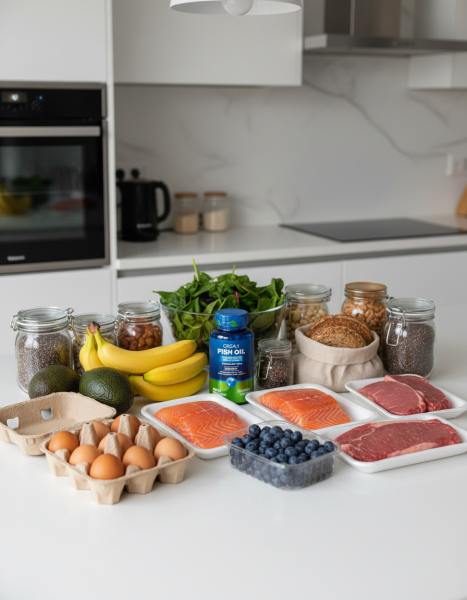
This includes vegetables, fruits, fish, eggs, legumes, nuts, seeds, fermented dairy, and cold-pressed oils.
Real Food Pyramid vs. Old USDA Food Pyramid
One reason people search “Real Food Pyramid” is to compare it to the classic USDA Food Pyramid from the 1990s.
Here’s the difference:
Old USDA Pyramid (1992–2010):
– Base: Grains, bread, pasta
– Middle: Fruits & vegetables
– Top: Fats, oils, sweets
This structure emphasized carbohydrates and discouraged fats.
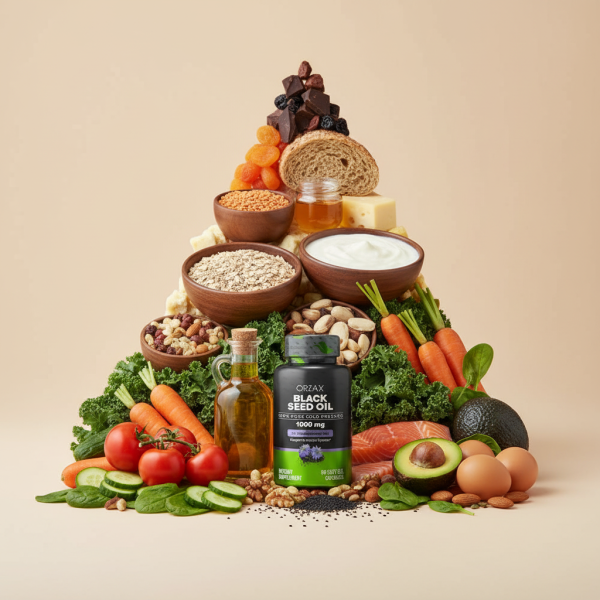
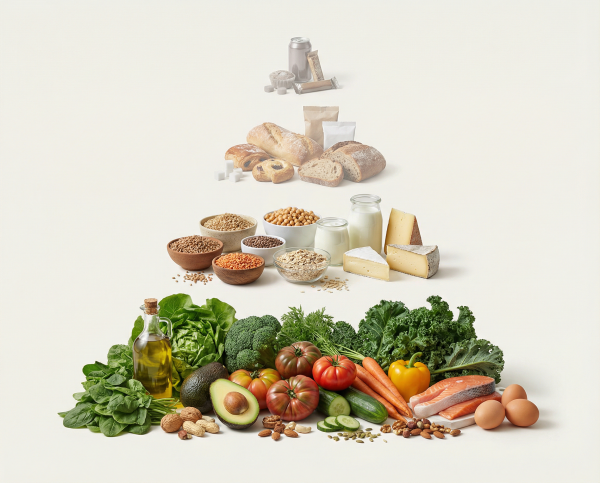
Real Food Pyramid (Modern Concept):
– Base: Vegetables, fruits, proteins, legumes, nuts, seeds, fermented dairy
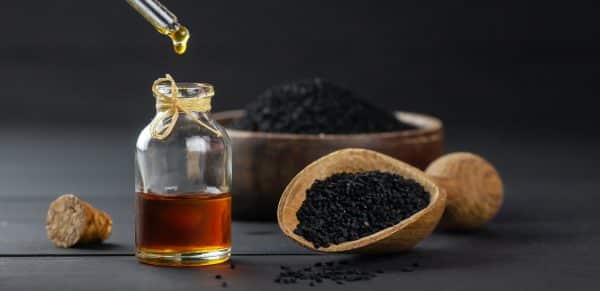
– Middle: Healthy fats like olive oil, avocado oil, and cold-pressed oils
– Top: Refined grains & sugary products (small amounts)
This reflects two nutrition priorities:
1. Nutrient density
2. Minimal processing
This shift matches current whole foods diet principles.
What Does “Nutrient Dense” Mean?
Nutrient dense foods provide more vitamins, minerals, healthy fats, and phytonutrients per calorie.
Examples:
– Nutrient-dense: salmon, eggs, avocados, leafy greens
– Not nutrient-dense: soda, chips, ultra-processed snacks
Real Food Pyramid Example Meals
Here are simple day-to-day eating patterns aligned with Real Food principles:
· Breakfast: Eggs + spinach + berries + yogurt
· Lunch: Salmon + leafy greens + quinoa + olive oil
· Dinner: Chicken + roasted vegetables + chickpeas
· Snacks: Fruit, nuts, cheese, fermented dairy
Are Grains Still Allowed in a Real Food Diet?
Yes, but proportion changes.
The Real Food Pyramid doesn’t eliminate grains; it simply reduces the emphasis on refined carbohydrates and increases focus on vegetables, fruits, and proteins.
Where Do Supplements Fit into the Real Food Conversation?
The Real Food Pyramid promotes food first, but modern diets can still have nutrient gaps, often due to:
– Limited fatty fish intake (Omega-3)
– Low sunlight exposure (Vitamin D)
– Low vegetable intake (Magnesium & fiber)
– Soil nutrient depletion
– Busy schedules & convenience eating
In these situations, supplements play a supportive role by helping maintain nutritional intake where needed, rather than replacing the foundation of real food.
FAQ: Real Food Pyramid
Q1: Is the Real Food Pyramid an official U.S. guideline?
Not exactly. It reflects current nutrition science and consumer trends, including whole foods and clean eating principles.
Q2: Is the Real Food Pyramid the same as clean eating?
They share similar ideas: whole foods, minimal processing, nutrient density, and fewer added sugars.
Q3: Do I need supplements if I follow a Real Food diet?
Some people may still experience dietary gaps, especially in Omega-3 or Vitamin D. In such cases, supplements can support nutritional intake.
References
Pollan, M. (2008). In Defense of Food: An Eater’s Manifesto. Penguin Press.
Monteiro, C. A., Cannon, G., Moubarac, J. C., Levy, R. B., Louzada, M. L., & Jaime, P. C. (2018). The UN’s sustainable development goals and the nutrition transition. Public Health Nutrition, 21(12), 2383–2390. https://doi.org/10.1017/S1368980017000673
Hall, K. D., Ayuketah, A., Brychta, R., Cai, H., Cassimatis, T., Chen, K. Y., Chung, S. T., et al. (2019). Ultra-processed diets cause excess calorie intake and weight gain: An inpatient randomized controlled trial. Cell Metabolism, 30(1), 67–77. https://doi.org/10.1016/j.cmet.2019.05.008
Harvard T.H. Chan School of Public Health. (2020). Healthy Eating Plate & Healthy Eating Pyramid. Department of Nutrition. Retrieved from https://www.hsph.harvard.edu/nutritionsource/healthy-eating-plate/
United States Department of Agriculture & Department of Health and Human Services. (2025). Dietary Guidelines for Americans, 2025–2030 (9th ed.). Retrieved from https://www.dietaryguidelines.gov/
Sifferlin, A. (2026, January 4). New U.S. dietary guidance emphasizes “Real Food” and warns against ultra-processed options. The Washington Post. Retrieved from https://www.washingtonpost.com/health
Miller, J. (2026, January 6). New Dietary Guidelines include updated food pyramid. Connecticut Insider. Retrieved from https://www.ctinsider.com
Perry, R. (2026, January 7). RFK Jr. unveils new ‘Upside-Down’ Food Pyramid as part of real food initiative. People Magazine. Retrieved from https://www.people.com