
Eat Real Food: A Return to Whole-Food Nutrition
The message gaining momentum across nutrition science and public health is simple: eat real food. This approach emphasizes whole, minimally processed, and naturally nutrient-dense foods that nourish the body without the need for unnecessary additives or excessive refinement.
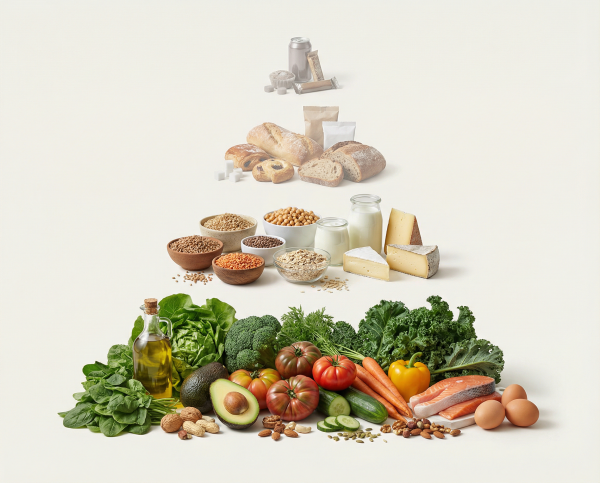
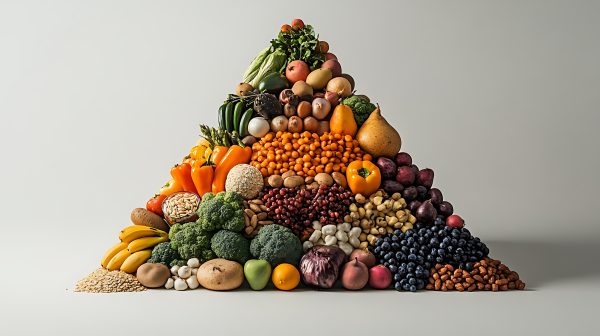
Vegetables, fruits, whole grains, legumes, nuts, seeds, and high-quality protein sources form the core of this way of eating. Rather than focusing on dietary shortcuts or heavily processed products, eating real food prioritizes food quality, balance, and long-term nourishment.
Within this framework, naturally occurring nutrients like omega-3 fatty acids play an essential role in supporting everyday nutritional needs.
What Does “Eat Real Food” Mean in Practice?
Eating real food does not imply perfection or rigid rules. It reflects a shift toward:
- Choosing foods in their most natural form
- Limiting highly processed products with added sugars and refined ingredients
- Building meals around nutrient-dense, recognizable foods
- Supporting health through consistent, balanced eating patterns
This perspective aligns with growing dietary guidance that encourages people to return to foundational foods as the basis for health, energy, and resilience.
Where Omega-3 Fits Into Eating Real Food
Omega-3 fatty acids are naturally occurring fats found in real foods, particularly in fatty fish such as salmon, sardines, and mackerel. They are not a modern invention or a synthetic addition to the diet, but a component of traditional eating patterns across coastal cultures.
Two key omega-3s, EPA (eicosapentaenoic acid) and DHA (docosahexaenoic acid), are commonly associated with whole-food nutrition because they:
- Originate from natural marine sources
- Are essential fats the body cannot produce on its own
- Contribute to normal cellular structure and function
- Have long been part of real-food dietary traditions
Eating fish regularly is one way to obtain omega-3s, but access, preferences, and dietary habits can influence how consistently these fats are consumed.
Why Omega-3 Matters in Everyday Nutrition
Even within diets centered on real food, fat intake patterns can vary. Modern diets often contain higher levels of omega-6 fats from refined vegetable oils, while omega-3 intake may be comparatively low. Maintaining a balance between these fats is widely considered an important part of everyday nutrition.
Omega-3 fatty acids are widely studied for their role in:
- Supporting normal heart function
- Contributing to brain and nervous system structure
- Supporting eye health
- Playing a role in overall cellular processes
For individuals committed to eating real food, omega-3s remain closely connected to whole-food dietary patterns rather than isolated nutritional trends.
A Thoughtful Complement to Eating Real Food
At Orzax USA, our philosophy is that real food remains the foundation of health. Our supplements are crafted to complement your nutrition without ever acting as a substitute for whole food eating.
For individuals who may not consume fatty fish regularly, Orzax Omega-3 Fish Oil complements real-food nutrition by providing EPA and DHA derived from fish oil. Integrated into a diet rich in whole foods, hydration, and mindful daily habits, omega-3 supplementation can help support nutritional consistency while respecting the central role of food quality.
Eat Real Food: A Long-Term Approach, not a Trend
The renewed focus on eating real food reflects a broader return to simplicity and transparency in nutrition. Rather than relying on highly processed solutions, this approach prioritizes foods and nutrients that align with human physiology and long-standing dietary traditions.
While real food provides the essential base, thoughtful nutritional support like omega-3 fish oil helps reinforce that foundation within a sustainable, everyday wellness routine.
At Orzax USA, our philosophy is clear:
- Emphasize real, minimally processed foods
- Choose clean and transparent nutrition
- Support balance where needed
- Focus on long-term wellness over quick fixes
FAQ: Eat Real Food & Omega-3 Fish Oil
Is eating real food enough to meet omega-3 needs?
Eating fatty fish regularly can provide omega-3s, but consistency varies. Omega-3 fish oil can help complement real-food diets when intake from food alone is limited.
Does omega-3 fish oil replace eating fish?
No. Omega-3 fish oil is intended to support a diet built on real foods, not replace whole foods such as fish, vegetables, or grains.
Why is omega-3 associated with whole food nutrition?
Omega-3s naturally occur in real foods and have been part of traditional dietary patterns for generations, making them closely aligned with the eat-real-food approach.
References
- U.S. Department of Health and Human Services & U.S. Department of Agriculture. (2025). Dietary Guidelines for Americans, 2025–2030.
https://www.dietaryguidelines.gov
- National Institutes of Health, Office of Dietary Supplements. (n.d.). Omega-3 Fatty Acids: Fact Sheet for Consumers.
https://ods.od.nih.gov/factsheets/Omega3FattyAcids-Consumer/
- American Heart Association. (n.d.). Fish and Omega-3 Fatty Acids.
https://www.heart.org
- Calder, P. C. (2017). Omega-3 fatty acids and inflammatory processes.
Biochimica et Biophysica Acta (BBA) – Molecular and Cell Biology of Lipids, 1851(4), 469–484.
https://doi.org/10.1016/j.bbalip.2016.09.012
- Healthline. (Medically reviewed). Omega-3 Fatty Acids: Health Benefits and Sources. https://www.healthline.com